
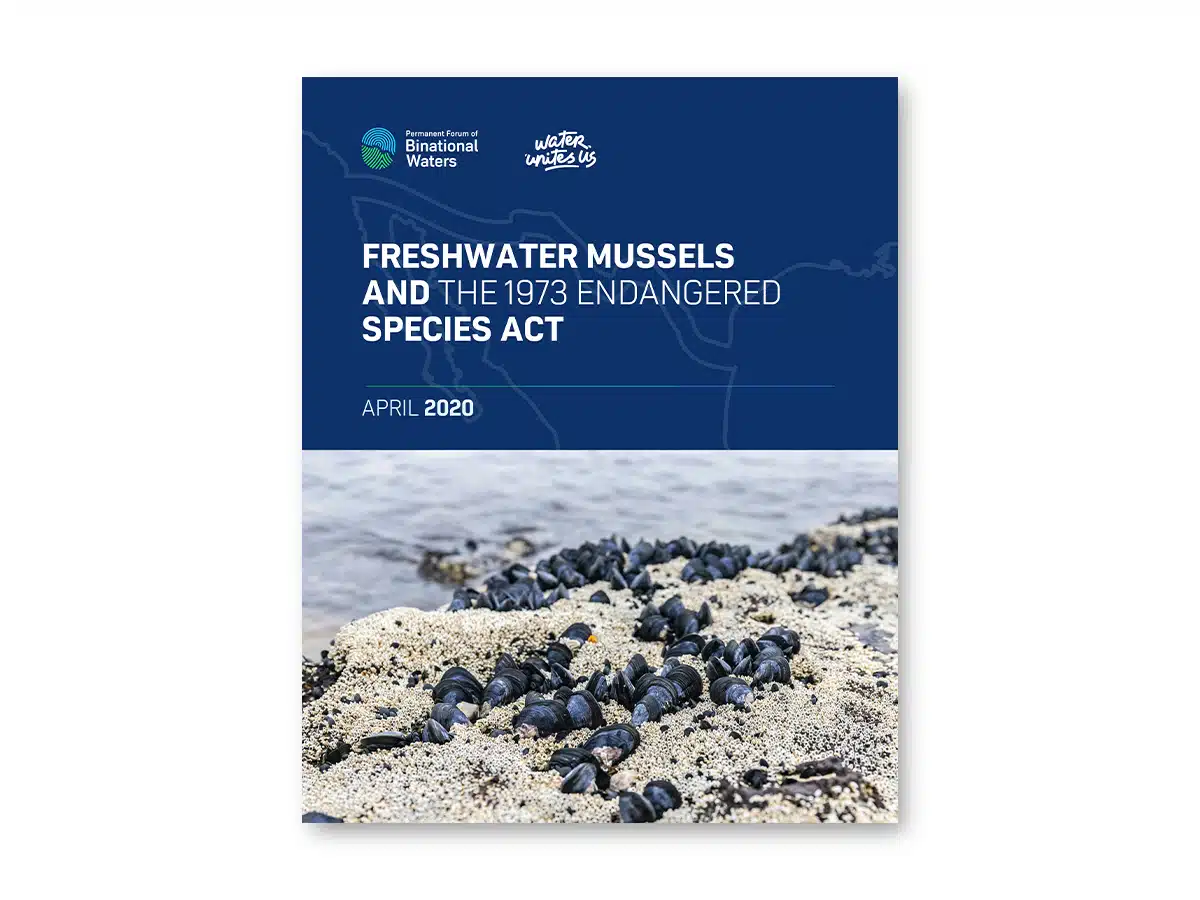
The U.S. Fish and Wildlife Service is currently evaluating whether two species of freshwater mussels—Mexican fawnsfoot and Salina mucket—should receive federal protection under the 1973 Endangered Species Act. Both species are native to western Texas, primarily within the Rio Grande and Pecos River basins, and face increasing threats due to habitat loss, water quality degradation, and limited distribution.
This action stems from a formal petition and positive 90-day finding, which triggered a comprehensive 12-month status review. As mandated by the 1973 Endangered Species Act, the Service must use the best available science and public input to determine whether these mussels meet the criteria for listing as endangered or threatened.
To that end, the Service is inviting input from stakeholders, scientists, and the public. They are specifically requesting data on population trends, habitat use, environmental stressors, and ongoing conservation efforts. These details will not only influence the final listing decision but may also guide the potential designation of critical habitats for both species—another process defined under the 1973 Endangered Species Act.
The conservation of freshwater mussels is particularly urgent. These organisms serve as natural water filters and indicators of ecosystem health, making them essential to maintaining balanced aquatic environments. Protecting species like the Mexican fawnsfoot and Salina mucket has broader implications for the entire watershed and for communities that depend on these water systems.
This review exemplifies how the 1973 Endangered Species Act remains a powerful tool for safeguarding biodiversity in the U.S. The Act enables proactive protection by emphasizing early intervention, scientific rigor, and community collaboration.
Interested individuals or institutions are encouraged to submit relevant information to the Austin Ecological Services Field Office before the upcoming review deadline. Contributions may help ensure that decisions reflect local knowledge and the most up-to-date ecological data.
Protecting these freshwater mussels is not only about saving two species—it’s about preserving the ecological integrity of Texas rivers for future generations.


Responses