
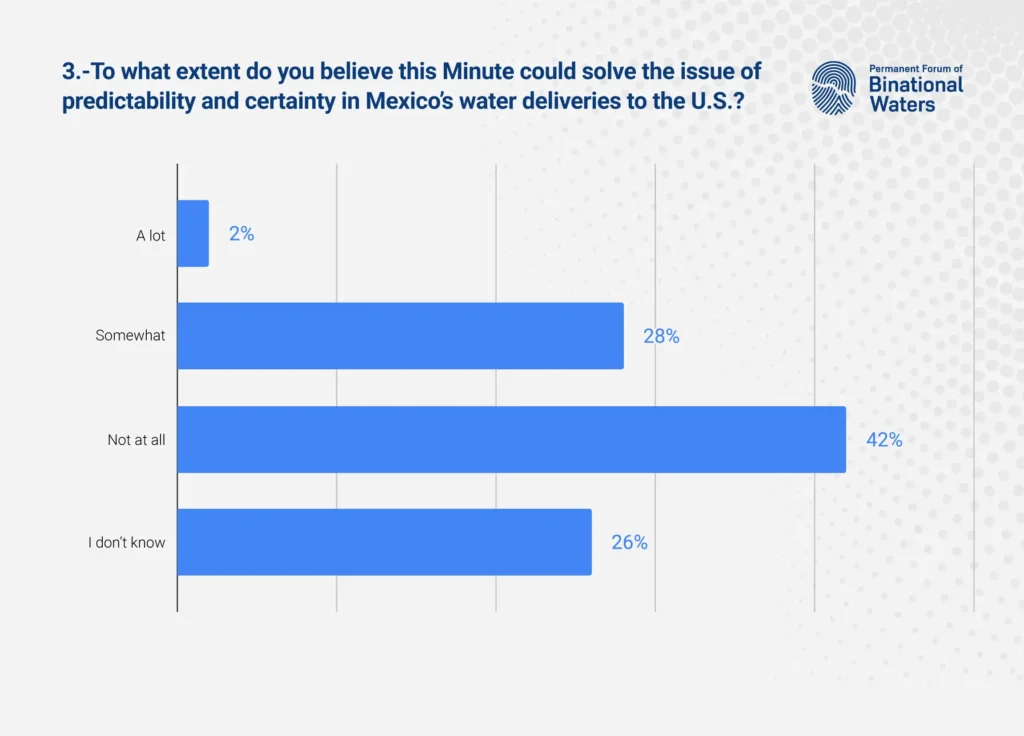
Nearly half of the Binational Waters community respondents remain skeptical that the signing of Minute 331 can bring predictability to Mexico’s water deliveries to the United States. According to a recent survey from Minute 331 developed by the PFBW, 42% of respondents said the new agreement would not help at all, while only 3% believed it could resolve the issue a lot. The findings reveal a mix of caution and concern about how the Minute will shape future cooperation under the 1944 Water Treaty.
Conducted between February 12 and November 2025, the minute 331 survey gathered responses from members of the Permanent Forum of Binational Waters to better understand community views on governance, water distribution, and sustainability across the Rio Grande/Río Bravo Basin.
This report represents a first end-of-year snapshot of community perceptions, and additional updates will continue to be published throughout 2026 as more responses come in.
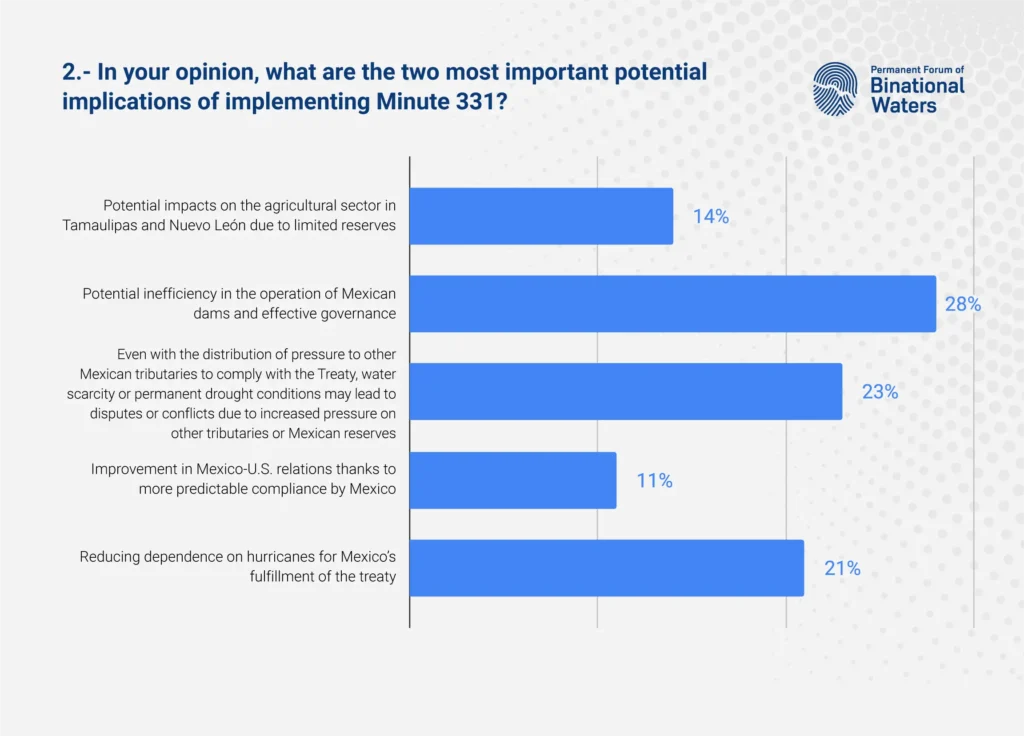
When asked about the main implications of implementation, 28% cited inefficiency in the operation of Mexican dams and governance as their top concern. Another 23% pointed to ongoing water scarcity even with improved distribution among tributaries. Others mentioned agricultural impacts in Tamaulipas and Nuevo León (14%), and the need to reduce reliance on hurricanes to meet treaty obligations (21%).
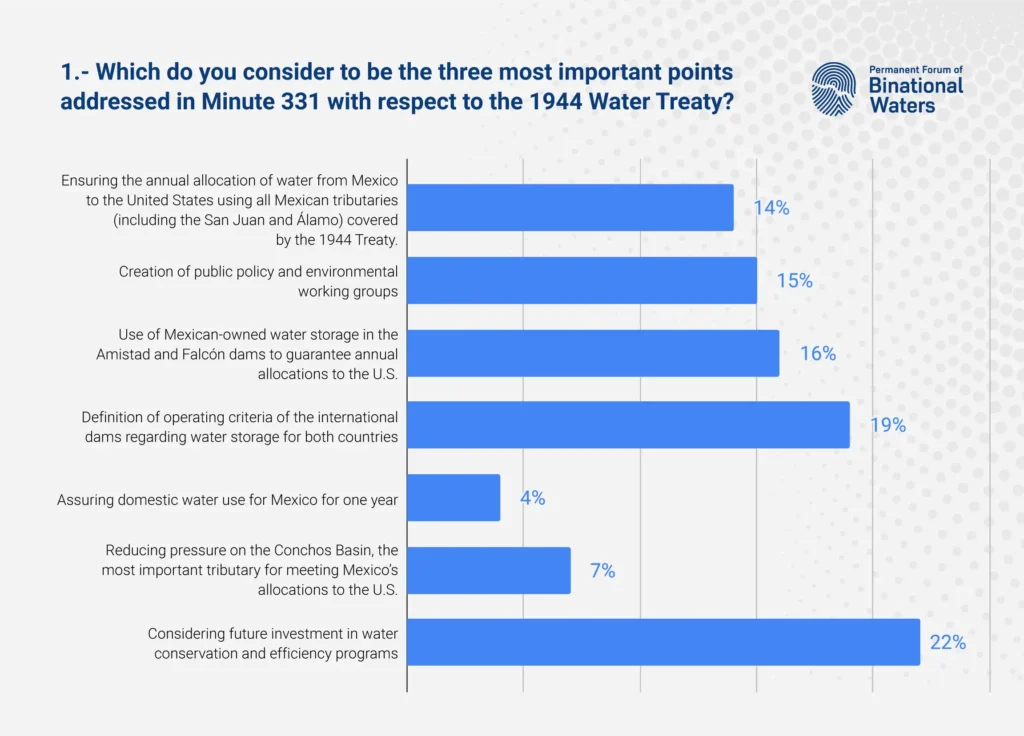
Looking forward, the minute 331 survey revealed that 39% of participants believe the most urgent unresolved issue is defining extraordinary drought and reducing allocations for both countries. Water conservation followed closely (34%), with 22% highlighting the need to invest in efficiency and conservation programs.
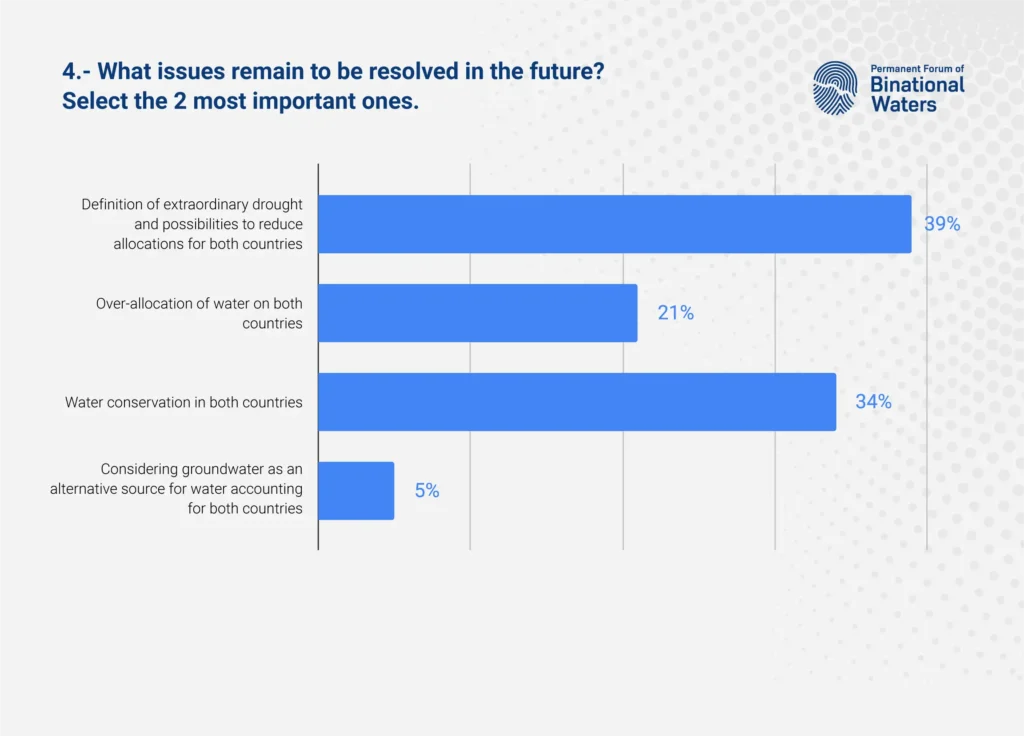
The survey remains open, and the Permanent Forum of Binational Waters invites all members of the community to share their perspectives. Responses can be submitted here:
Survey on the Implications of Minute 331 within the Framework of the 1944 Water Treaty
Ultimately, the minute 331 survey reflects a community deeply engaged in binational dialogue, one that values fairness, sustainability, and transparency in managing shared water resources. As the survey continues to evolve with new input in 2026, these insights will help shape a more informed and collaborative conversation on the future of Minute 331.
To complement these survey findings, readers are invited to explore the article The signing of Minute 331 of the 1944 Water Treaty between Mexico and the United States: meaning and implications, which provides essential context on the negotiation process, the purpose of the new Minute, and the challenges that lie ahead for binational water governance.
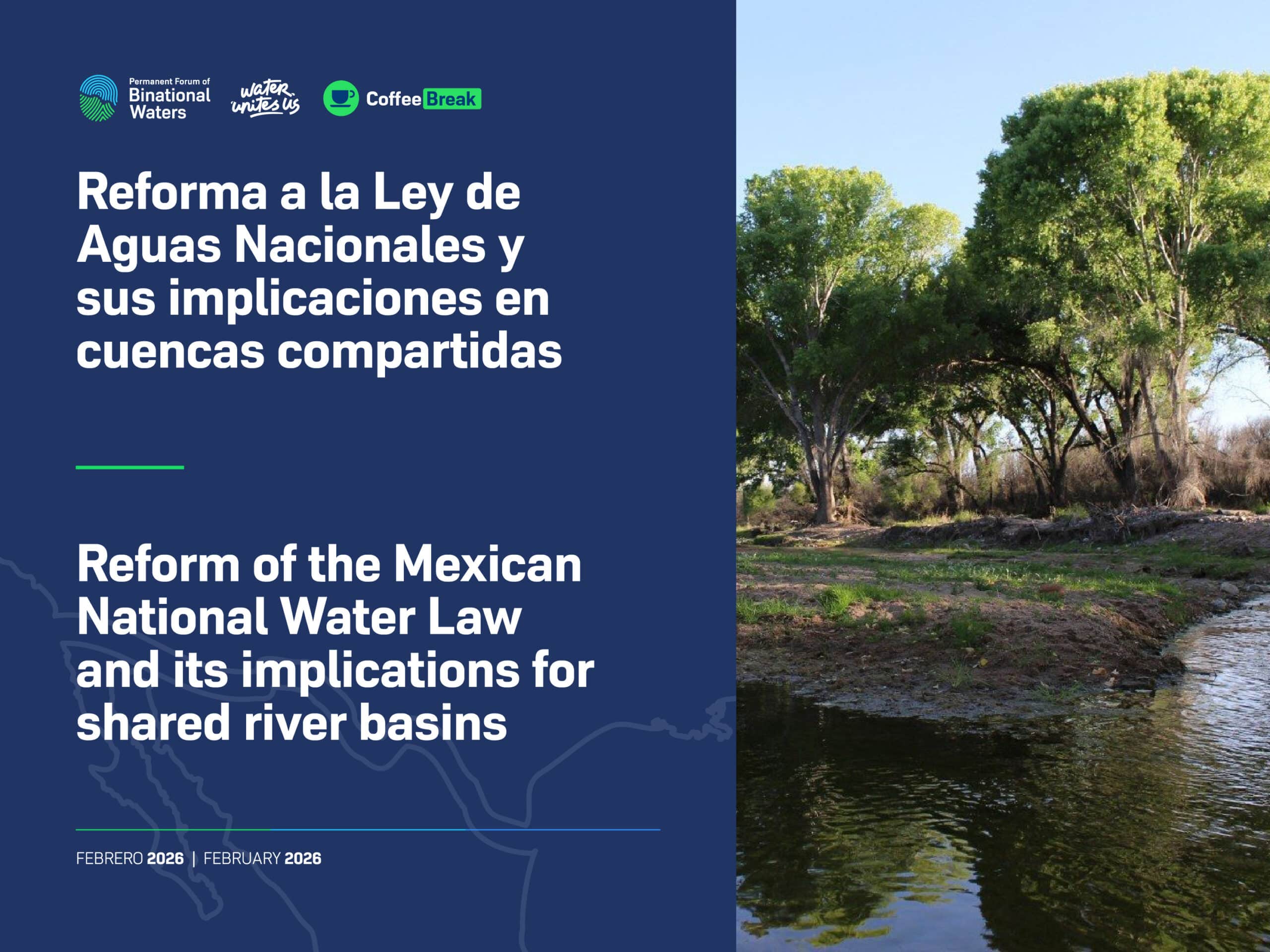
For additional context on how Minute 331 relates to Minute 325, we invite the community to watch our recent Coffee Break on YouTube, where experts explain both agreements and their implications for the 1944 Water Treaty

Responses