
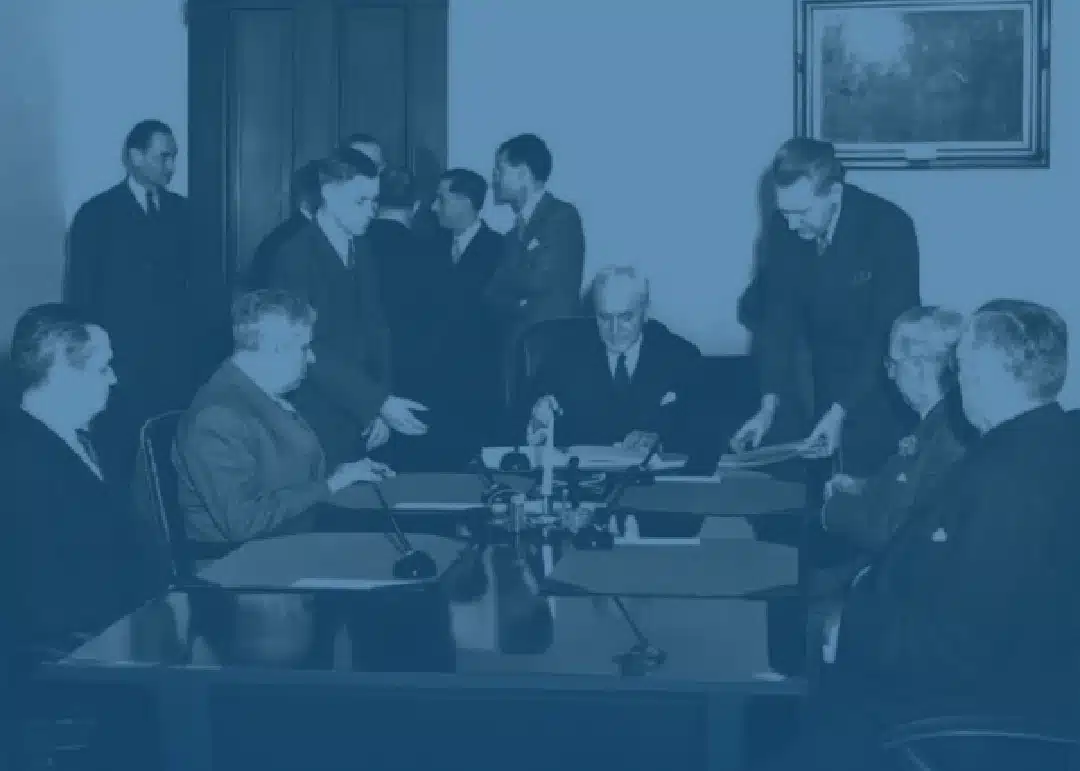
Binational water governance means that the United States and Mexico effectively manage shared rivers through joint rules, coordinated institutions, and scientific data. This framework should guide how both countries respond to climate pressure, meet water delivery obligations, and plan for long-term resilience.
During the last Coffee Break of 2025 titled Exploring New Mechanisms of Cooperation for the Future of the 1944 US–Mexico Water Treaty, experts expanded on the treaty’s relevance towards the future of the Rio Grande/Bravo basin. Ivonne Cruz from Rice University described how policy narratives shape cooperation, Gonzalo Hatch Kuri from UNAM examined hydrological stress, governance asymmetries and data requirements across shared basins, and Irasema Coronado from Arizona State University explored the treaty’s social and political impacts in border communities.
The event’s brief drafted by Raquel Neri Barranco from the Permanent Forum of Binational Waters (PFBW), compiles and organizes the key insights generated by the panelists. According to the brief, binational water governance remains the key challenge as it is the route to blend institutional continuity, technical flexibility, and public dialogue. These components help both countries coordinate drought responses, manage uncertainties, and incorporate environmental needs into shared planning.
As part of its analysis of the 1944 Water Treaty, the brief quotes the following statement: “The Treaty would need to be revised to reflect the ongoing impacts of climate change, especially under extreme scenarios, such as prolonged droughts and more frequent flooding events. These changes, as well, will coincide with increasing water demand (for instance, due to population and industrial growth in the U.S. Southwest) and aging infrastructure.”
Recommendations for the path forward
- Strengthening institutional and political coordination
- Joint action and communication
- Rethinking funding mechanisms and technical innovation
- Empowering local and regional actors
The complete panel discussion is available on YouTube for anyone seeking to understand the treaty’s history and its modern implications under current environmental conditions.
Responses