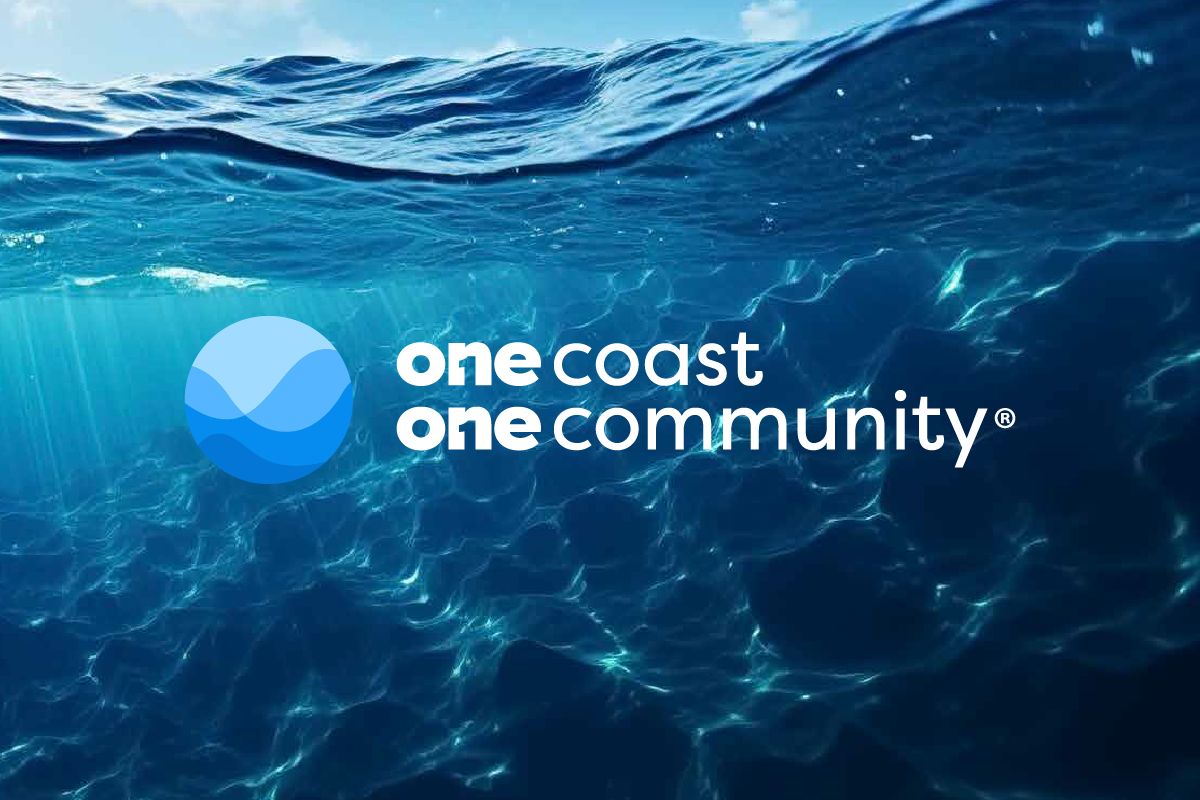
The Permanent Forum of Binational Waters is proud to announce that One Coast, One Community is now officially recognized as a registered trademark in Mexico. This milestone strengthens the initiative’s identity and its growing role as a trusted platform for coastal resilience, cross-border collaboration, and community-led science.
The One Coast, One Community trademark reinforces the Forum’s long-term commitment to open data, water quality monitoring, and environmental action across the California–Baja California region. It also enhances visibility and institutional presence while ensuring that the project’s name and image are legally protected.
One Coast, One Community is a binational initiative grounded in a simple but powerful idea: the coastline shared by Mexico and the United States also connects communities as one. It recognizes that coastal ecosystems, water quality, public health, and local economies across the California–Baja California region are deeply interconnected beyond political boundaries, making cooperation essential for long-term resilience.
The initiative promotes open data, accessible science, and community participation as key tools to strengthen environmental governance and informed decision-making, with a focus on shared coastal challenges and solutions.
One Coast, One Community trademark registration comes at a time when coastal communities are facing increased pressure from pollution, erosion, and climate uncertainty. The initiative provides a vital space where organizations, scientists, and the public can engage with accessible data and collaborative solutions.
You can explore more at www.onecoastonecommunity.org or through the Projects section of the Forum’s website. There you’ll find recent publications, coastal reports, and updates on data tools and events.
From its beginnings as a response to cross-border water pollution, the platform has evolved into a respected resource for shared environmental governance. This new chapter affirms the importance of naming, ownership, and collaboration in advancing binational water resilience.
This project belongs to all of us—because coastal health depends on unity, transparency, and sustained community engagement.
Responses