Tijuana, Baja California.- The National Autonomous University of Mexico (UNAM) and the Permanent Forum of Binational Waters (PFBW) signed a collaboration agreement to jointly develop a binational platform for shared water resources between Mexico and the United States — a digital system designed to integrate and standardize scientific data on water in the border region, contributing to long-term Integrated Water Management.
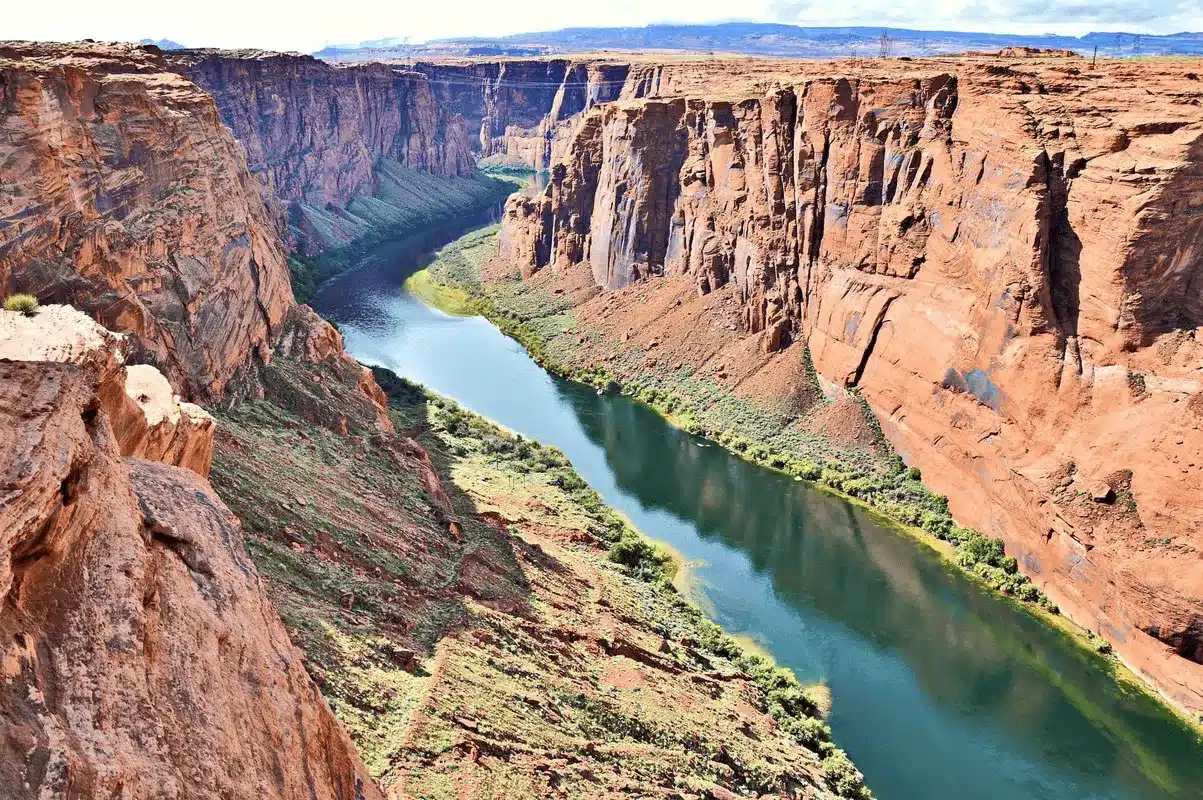
The platform aims to consolidate reliable information on transboundary water resources, including the Rio Grande, Colorado River, and Tijuana River basins, and make it accessible to the general public, as well as to governments and universities in both countries, to improve Integrated Water Management during droughts, floods, and water-use planning.
The UNAM Institute of Geography will lead the geospatial development of the project, ensuring advanced data standardization and visualization, while the PFBW will contribute its network of researchers, databases, and expertise in hydrological analysis, institutional collaboration, and scientific communication.
“This agreement strengthens scientific cooperation between Mexico and the United States and allows initiatives such as the data platform of the One Coast, One Community project to be hosted within this infrastructure — to grow and scale to new regions and disciplines,” said Rosario Sánchez, Director of the PFBW. “We are laying the foundations for open, sustainable, useful, and accessible science for all.”
Meanwhile, Francisco Suárez Güemes highlighted that “collaboration with the PFBW represents a strategic opportunity to strengthen UNAM’s international cooperation and apply scientific knowledge to benefit border communities and the sustainable management of water.”
The agreement was signed by Rosario Sánchez, Director of the PFBW, and María Soledad Funes Argüello, Coordinator for Scientific Research at UNAM, with the participation of the Institute of Geography and UNAM San Antonio, under the direction of Francisco Suárez, General Director for Cooperation and Internationalization.
The agreement will be valid for an initial five-year period, with the possibility of renewal, and includes joint actions in research, technological development, specialist training, and public dissemination of data on water and the environment.
Responses