Water Unites Us: A Year of Cooperation, Science, and Shared Hope
Throughout 2025, we strengthened binational dialogue, scientific collaboration, and open data tools that connect communities along the Mexico–United States border. Below is a summary of the main actions, publications, and events that shaped this year of shared work under our enduring belief: Water Unites Us.
We Released a Policy Brief on the Environment and Interconnected Waters
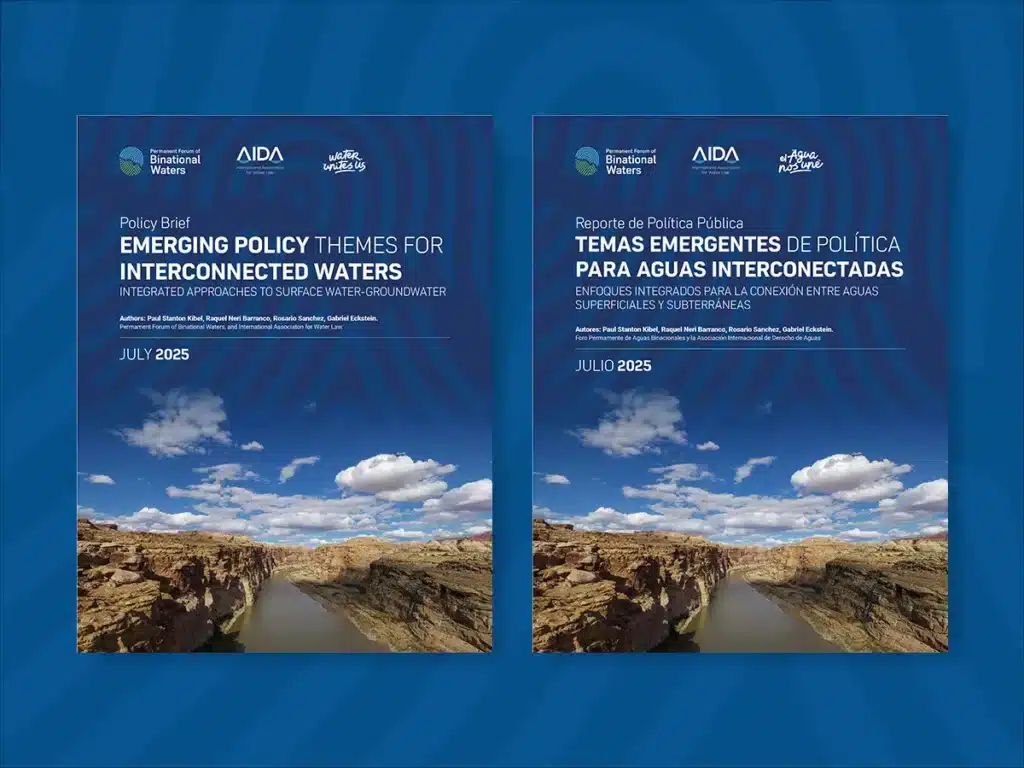
In collaboration with the International Water Law Association (AIDA), we published a Policy Brief: Emerging Policy Themes for Interconnected Waters, based on two Coffee Break series held in 2024. This publication, featured in our newsletter water, translates technical debates into clear recommendations to align surface and groundwater legislation with hydrological realities. It addresses topics such as recharge zones, data interoperability, land use regulation, sovereignty, and cross-border legal gaps. Authors include Paul Stanton Kibel †, Raquel Neri Barranco, Rosario Sánchez, and Gabriel Eckstein. Recordings are available on our YouTube channel, and the report can be downloaded in both languages.
We Strengthened Our Cross-Border Educational Focus with Texas Children in Nature
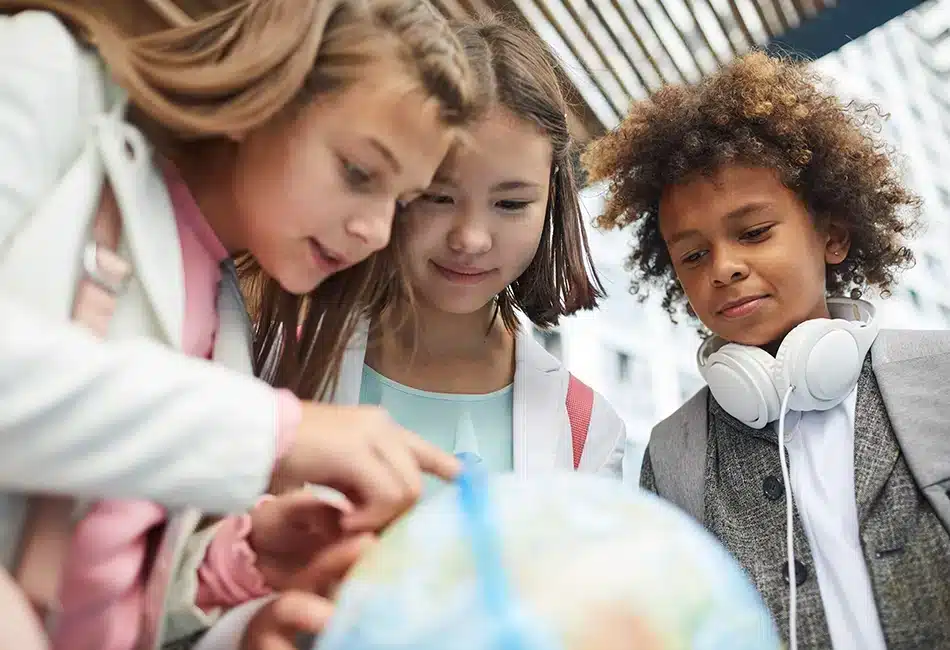
At the beginning of the year, we reinforced our commitment to environmental education through a partnership with Texas Children in Nature, combining water conservation content with outdoor learning experiences. Families, teachers, and communities conducted field activities and water quality testing in the Río Grande–Río Bravo. This alliance is inspired by initiatives such as the Rio Research Roundup from the Rio Grande International Study Center, aimed at nurturing young leaders committed to cross-border environmental care.
Podcast Women in Water: An Episode on the Human Right to Water
In February, Sareen Malik, Executive Secretary of ANEW and Vice Chair of the Steering Committee of Sanitation and Water for All, addressed the human right to water and sanitation as a fundamental principle of justice and equity in a conversation featured in our newsletter water. With over 15 years of experience in governance and human rights, she emphasized that the global water crisis is, above all, a governance issue. She also highlighted the importance of transparency and gender-sensitive policies to ensure dignified and safe water access for vulnerable communities.
We Celebrated the 5th Anniversary of the Permanent Forum of Binational Waters
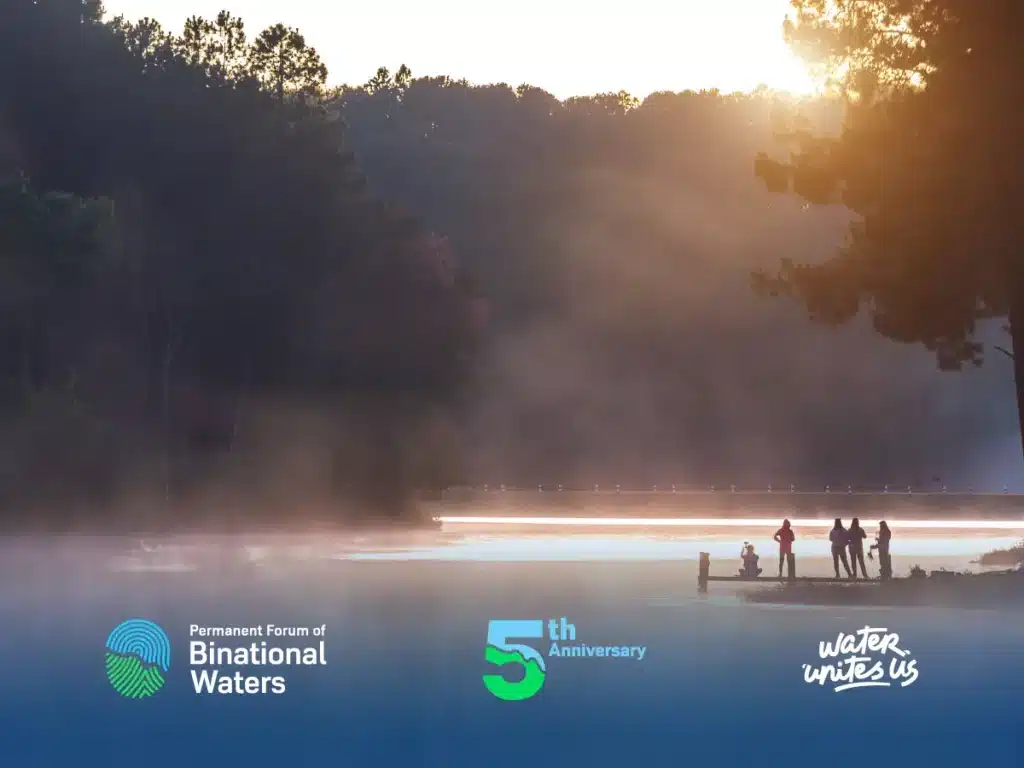
During the commemorative year, we held the Coffee Break “Water Unites Us,” published our Five-Year Report, and launched a revamped website with tools and sections to join our projects. This celebration reaffirmed our community impact and commitment to sustainable and collaborative water management. Throughout the year, many PFBW members and key allies shared their messages of support. Thank you each and everyone for sharing this celebration.
Shared Water Solutions: Five Years of Binational Collaboration
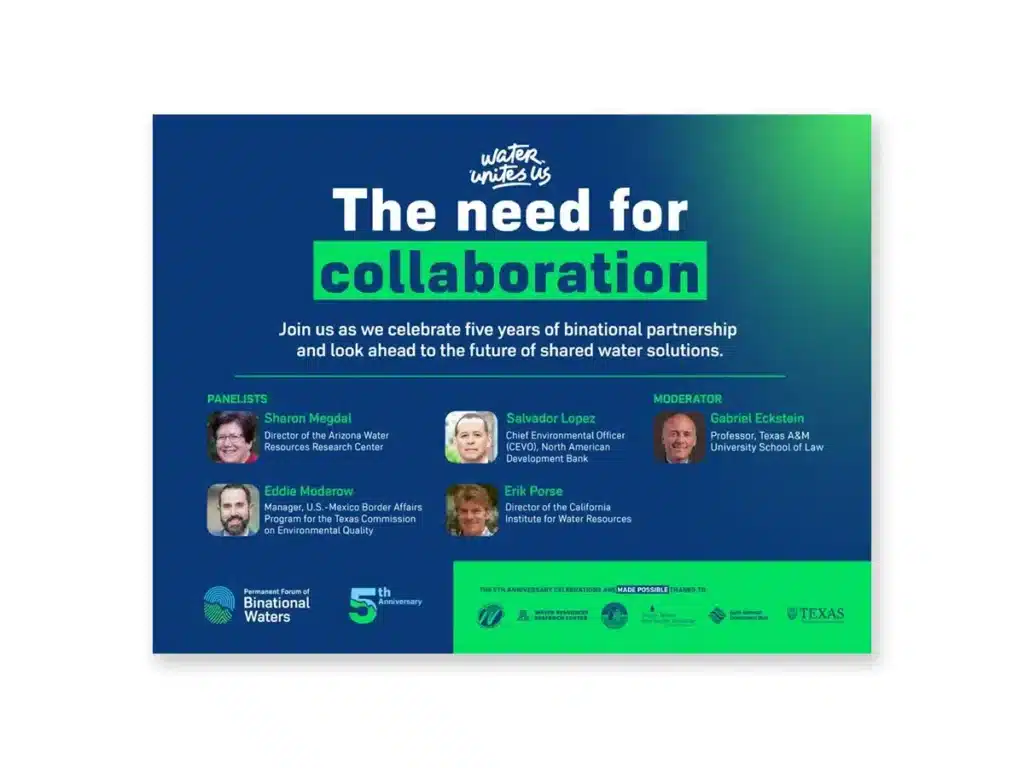
In May, we organized the virtual forum The Need to Collaborate with leaders from the Arizona Water Resources Research Center, NADBank, the Texas Commission on Environmental Quality, and the California Institute for Water Resources, an event highlighted in our newsletter water. The forum addressed drought, pollution, climate change, and infrastructure challenges and concluded with a report outlining key lessons and next steps for strengthening binational cooperation.
Five Years as a Non-Profit Organization for Water Resilience
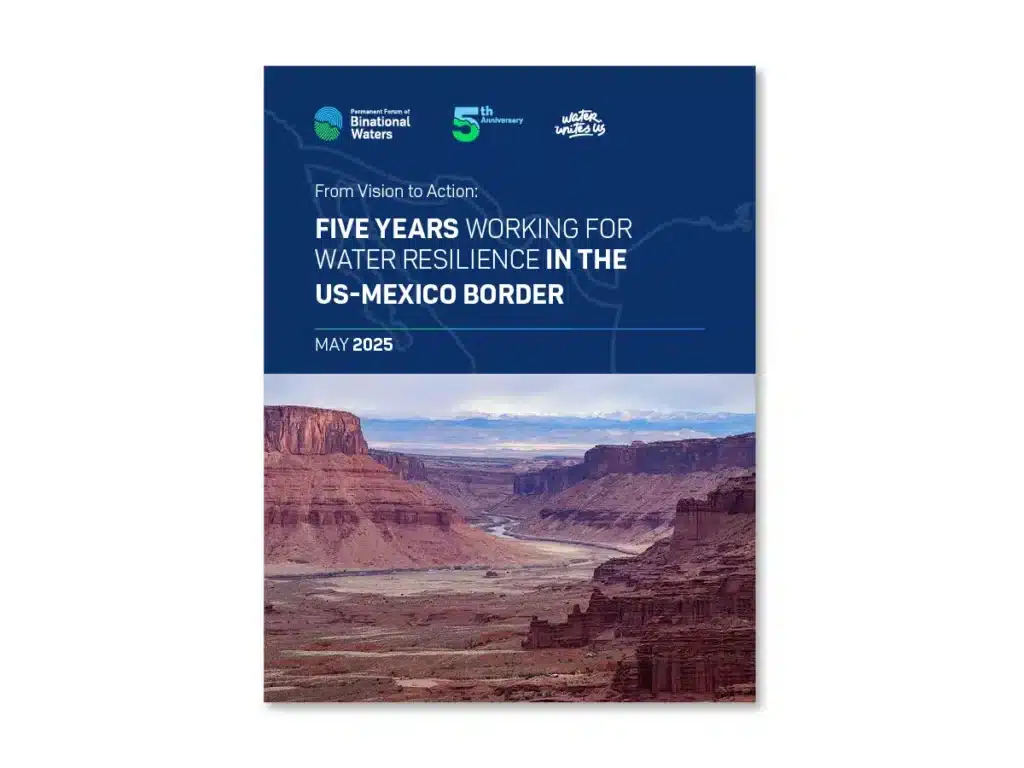
We published a comprehensive report summarizing achievements, alliances, and challenges, along with our vision for the future. Priorities include expanding the participation of youth and Indigenous community members, strengthening institutional presence, and consolidating joint initiatives with real impact in shared basins.
Coffee Break: Implications of Minutes 325 and 331 for the Río Grande
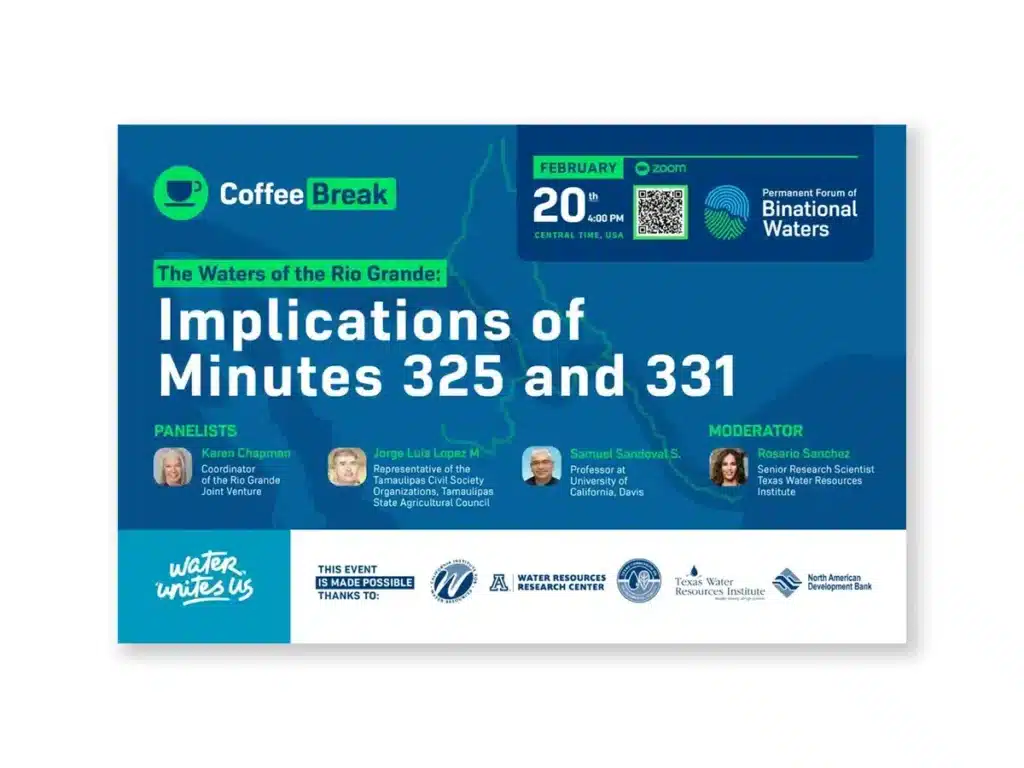
In February, we analyzed the distribution and management of Río Grande resources under Minutes 325 and 331, with participation from conservation, agriculture, and water policy experts, as part of our ongoing newsletter water coverage on binational water governance.
Science Talk: Exploring the Impacts of Minutes 323 and 330
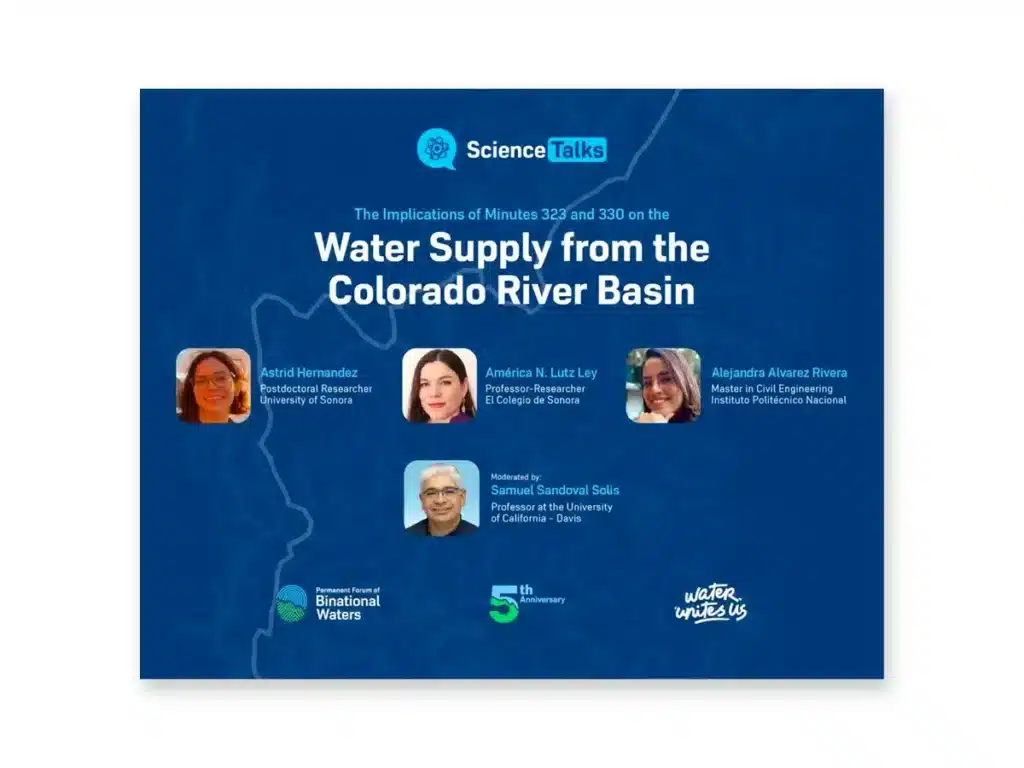
In April, scholars from Universidad de Sonora, El Colegio de Sonora, Instituto Politécnico Nacional, and the University of California, Davis discussed the economic, social, and hydrological implications of Minutes 323 and 330 in the Colorado River basin. The participatory format enabled dialogue on governance, climate change, and technical cooperation.
Science Talk: Water, Sanitation, and Hygiene Access for Unhoused Communities
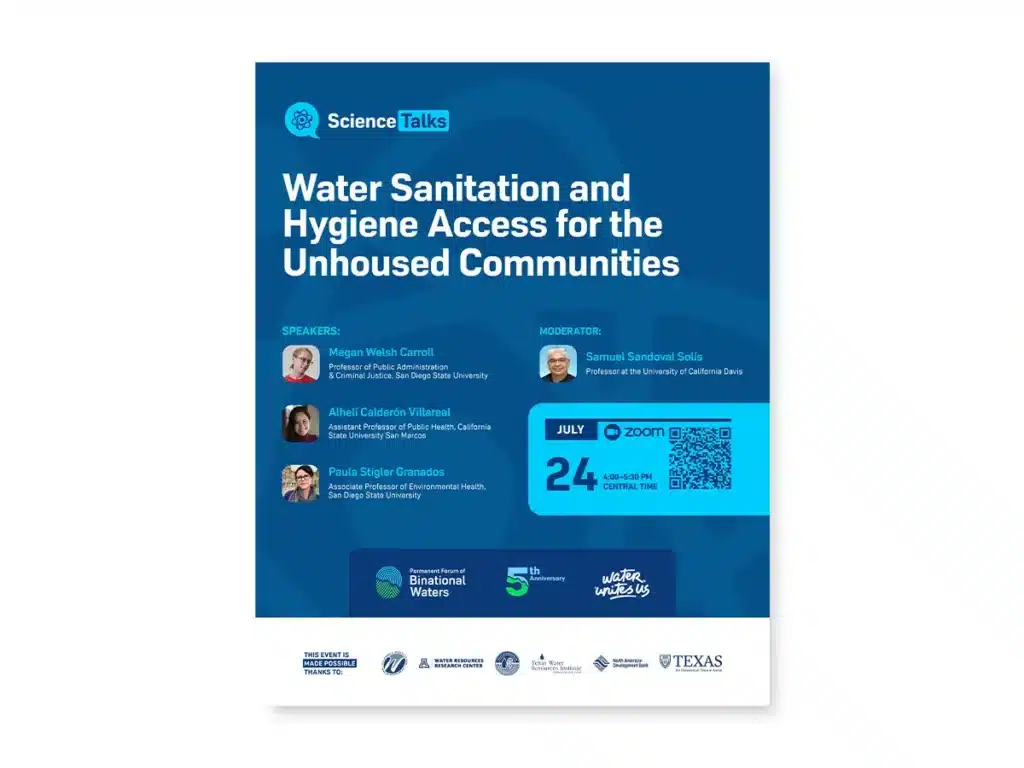
In July, experts from San Diego State University and California State University San Marcos addressed the relationship between homelessness, environmental justice, and public health at the border in a discussion featured in our newsletter water. The event highlighted structural barriers and community responses and included simultaneous Spanish interpretation.
We Launched the One Coast, One Community Initiative
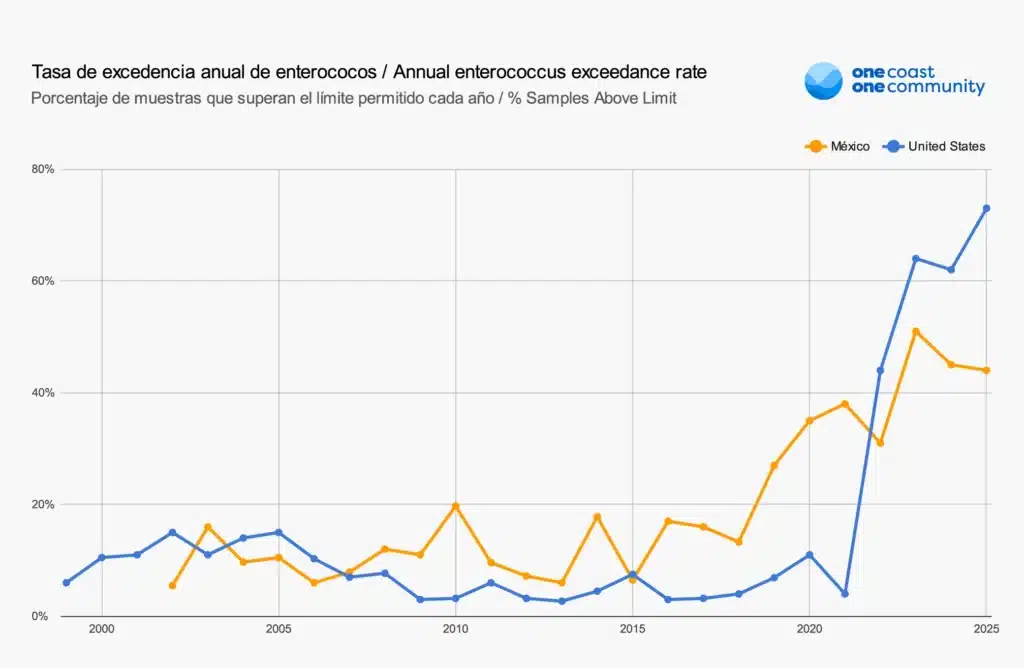
Through the One Coast, One Community data platform, we released the coastal water quality report: From Carlsbad to Rosarito: Fecal Bacteria Reach Record Levels, the result of 25 years of water quality analysis across 20 beaches. Findings underscore the urgent need to improve coastal management, data transparency, and sanitation infrastructure. The initiative was launched during an in-person event on September 4 in Tijuana, in partnership with CETYS Universidad, bringing together experts, authorities, and organizations for panels and the official platform launch.
Event Playlist: Shared Waters and Responsible Economic Development, Launch of One Coast One Community
Event Summary:
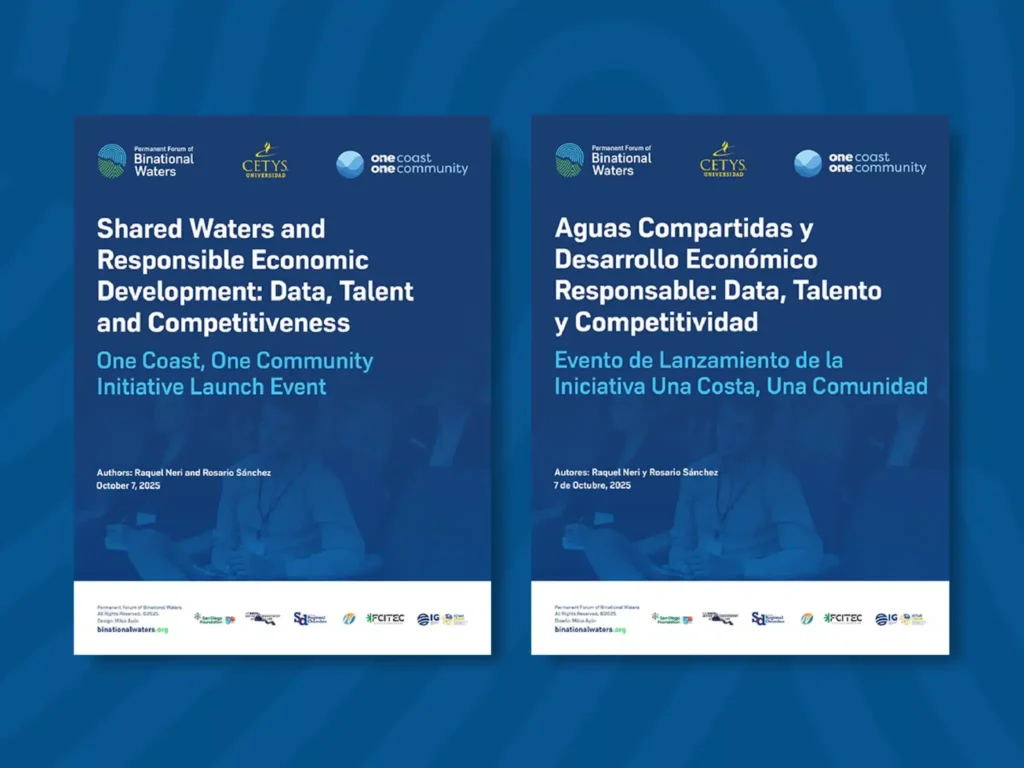
The event summary, featured in our newsletter water, highlights effective governance and open data as the foundation of sustainable shared water management. Efficiency, reuse, and trust-building were emphasized as pillars of a competitive and sustainable future in the Tijuana–San Diego region, while pathways for technical progress under the One Coast, One Community initiative were outlined.
We Obtained the Trademark Registration for One Coast, One Community with the IMPI
The trademark registration of the One Coast, One Community initiative with the Mexican Institute of Industrial Property is a key achievement in strengthening PFBW’s institutional identity. This recognition provides legal certainty over the name and visual identity and solidifies its position as a binational reference platform in coastal data, open science, and climate cooperation.
New Additions to the Forum Team
This year, two key professionals joined to strengthen our technical and strategic capacity, as shared in our newsletter water. Roberto Núñez joined as Data Programming specialist and developer of the One Coast One Community platform, while Martín Castro joined as Grant Writer, bringing broad experience in funding and project management in the water and environmental sectors.
We Participated for the First Time in The Big Give 2025
For the first time, we joined The Big Give, a 24-hour giving event in South Texas featuring 14 Matching Minutes that doubled donations received. These contributions supported dialogue, scholarships, citizen science projects, and open tools that translate data into actionable knowledge. We are deeply grateful to our new donors and to those who continue to support our work.
PFBW and UNAM Advance Integrated Water Management
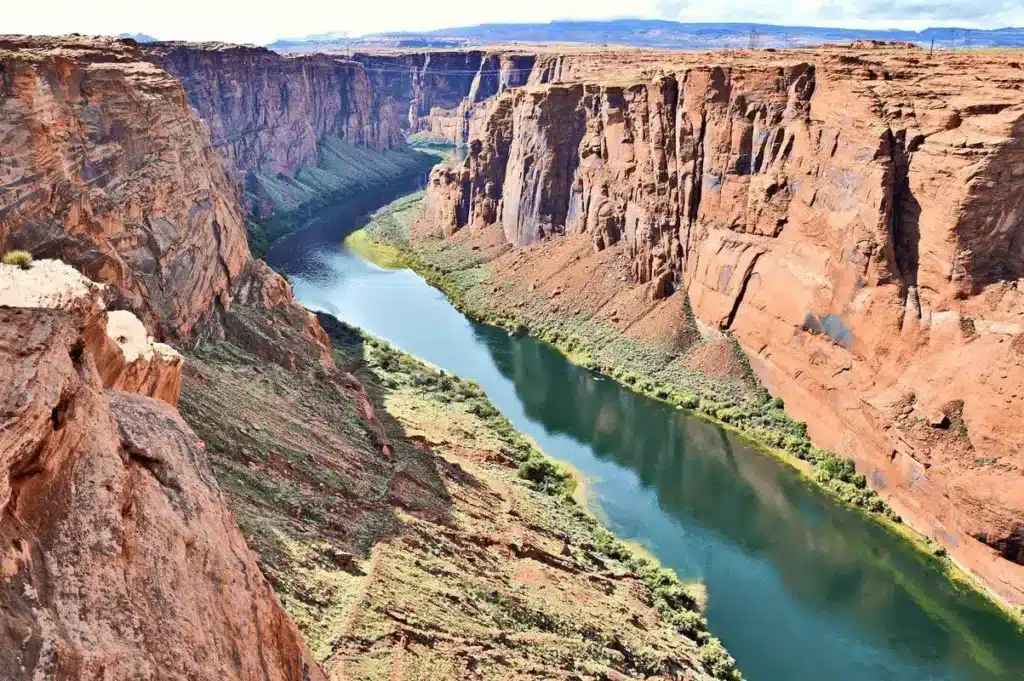
We signed a five-year collaboration agreement with UNAM to develop a binational platform that standardizes and visualizes shared water data in the Río Bravo, Colorado River, and Tijuana River basins, an initiative highlighted in our newsletter water. The Institute of Geography is leading the geospatial development with participation from UNAM San Antonio. This infrastructure will allow projects like One Coast, One Community to scale to new regions and disciplines on Integrated Water Management
Podcast Women in Water: An Episode on Water Diplomacy
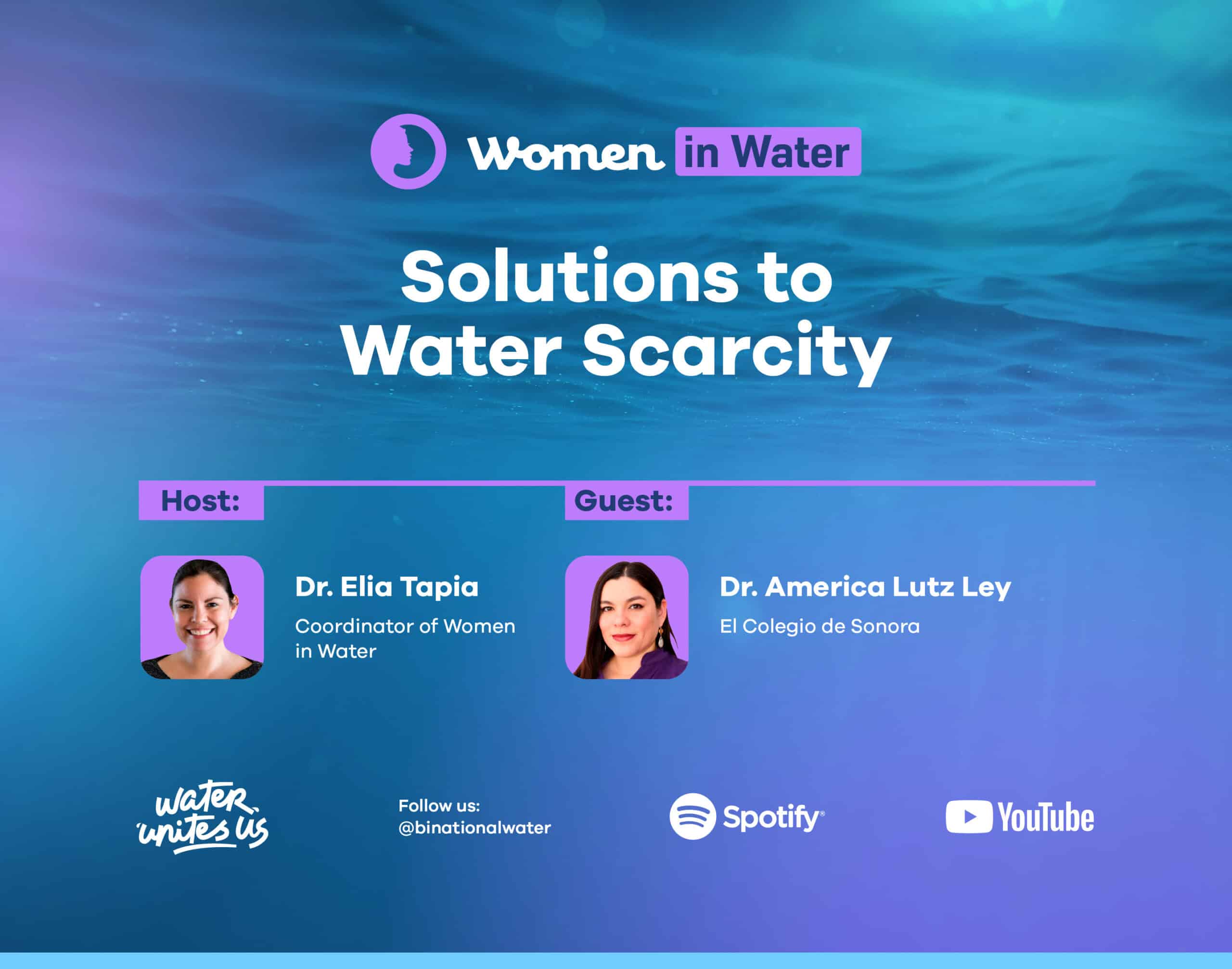
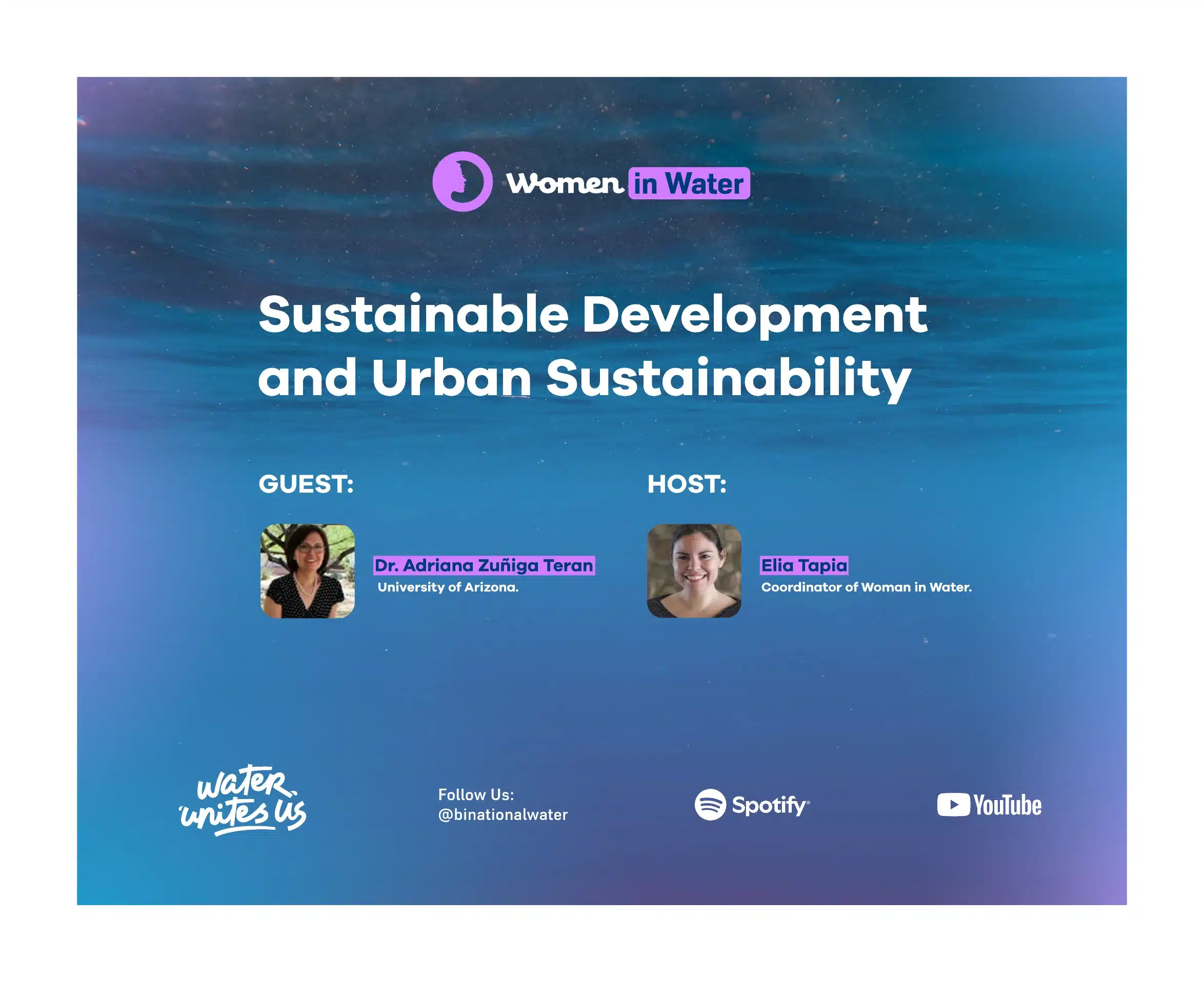
In October, Elizabeth A. Koch (United States) and Elia M. Tapia (Mexico) discussed inclusive leadership and cross-border cooperation. They shared how water diplomacy can connect people, ecosystems, and nations, transforming shared waters into bridges for common futures.
Coffee Break: New Cooperation Mechanisms in the 1944 Treaty
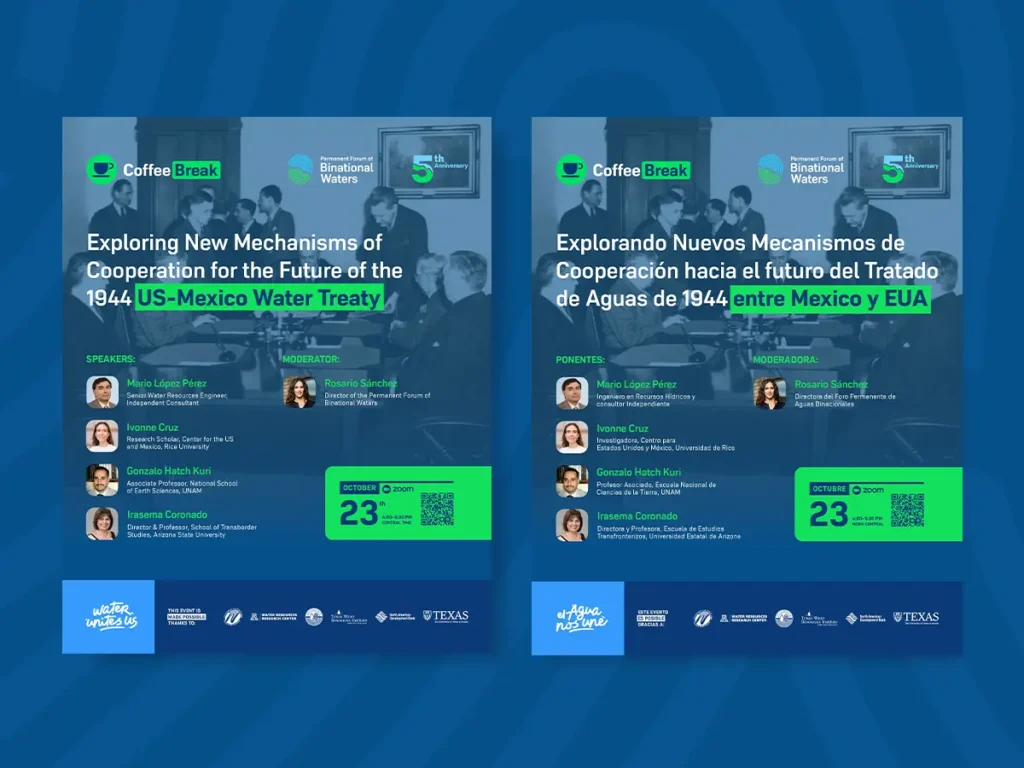
In October, we held a Coffee Break with experts from Mexico and the United States to explore new cooperation pathways under 1944 Water Treaty in the context of climate change, drought, and population growth, as featured in our newsletter water. The session, moderated by the PFBW Director, emphasized practical and innovative mechanisms to strengthen binational water management.
We Participated in the Rio Grande Symposium
In November, Rosario Sánchez, PFBW Director, and Samuel Sandoval Solís, Associate Director, participated in the State of the Rio Grande panel during the Rio Grande Symposium organized by the Texas Water Foundation, where they addressed the situation of cross-border rivers and aquifers.
Preliminary Results from the Minute 331 Survey
Throughout 2025, we invited the Forum community to take part in a survey on the implementation of Minute 331 of the 1944 Water Treaty in the Río Grande–Río Bravo basin, as part of our ongoing newsletter water coverage on shared water governance. This first end-of-year snapshot shows that most concerns focus on water governance, transparency in decision making, water scarcity, and drought impacts. The survey of the Signing of Minute 331 remains open, and we will continue gathering responses from both countries with updated results to be shared in 2026.
This year, we welcomed two new team members who joined us to strengthen our technical and strategic capacities:
Roberto Núñez, data programmer and developer of the One Coast, One Community platform, and Martín Castro, project management and funding specialist with extensive experience in the water and environmental sectors. Their incorporation reinforces the Forum’s growth and ongoing professionalization.
A Year to Give Thanks and Keep Building Water Resilience
We thank our allies, sponsors (visit our sponsors section through this link), speakers, students, and volunteers from over 40 institutions, as acknowledged in our newsletter water. Together, we turn shared waters into shared solutions. To collaborate, access resources, or support our programs, visit our website and follow us on social media. Water unites us!
Responses